
3D for consumer technology manufacturers
Buyers rotate the product on the web, choose colour, finish, capacity and accessories and see exactly what they will receive. The same model produces launch imagery before units are built.
What selling consumer technology in 3D means
It means building the product once in 3D (housing, materials, colours and accessories) and using it everywhere: a viewer and configurator on the product page, launch and campaign imagery, and material for retail and distributors. Electronics, audio, wearables, small appliances or smart home.
When 3D pays off in consumer technology
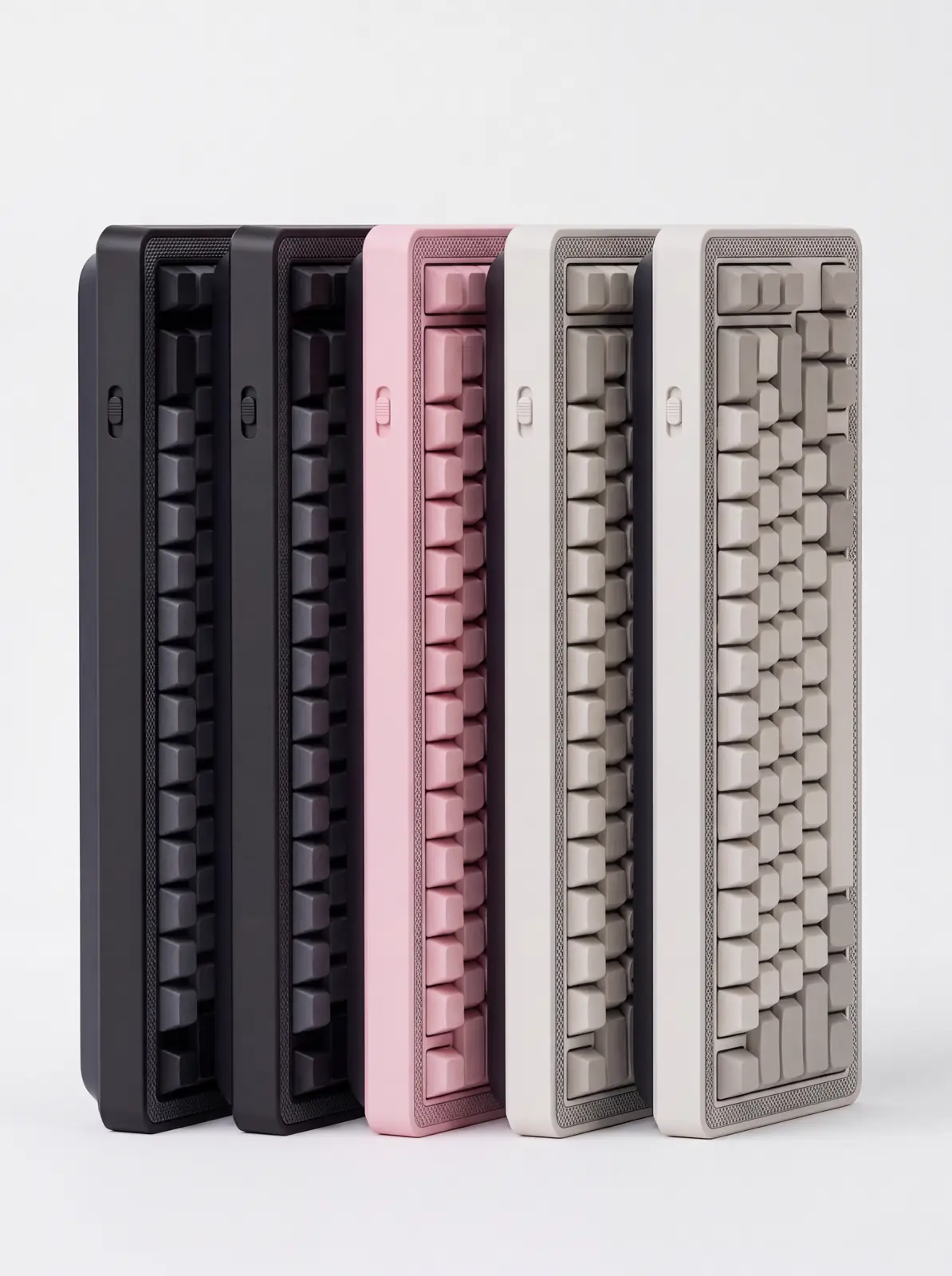
It pays off when every launch needs images before the product exists, when the range grows by colours and finishes faster than photography, and when buyers hesitate between variants that look too alike in a photo.
Photography, rendering or 3D configurator
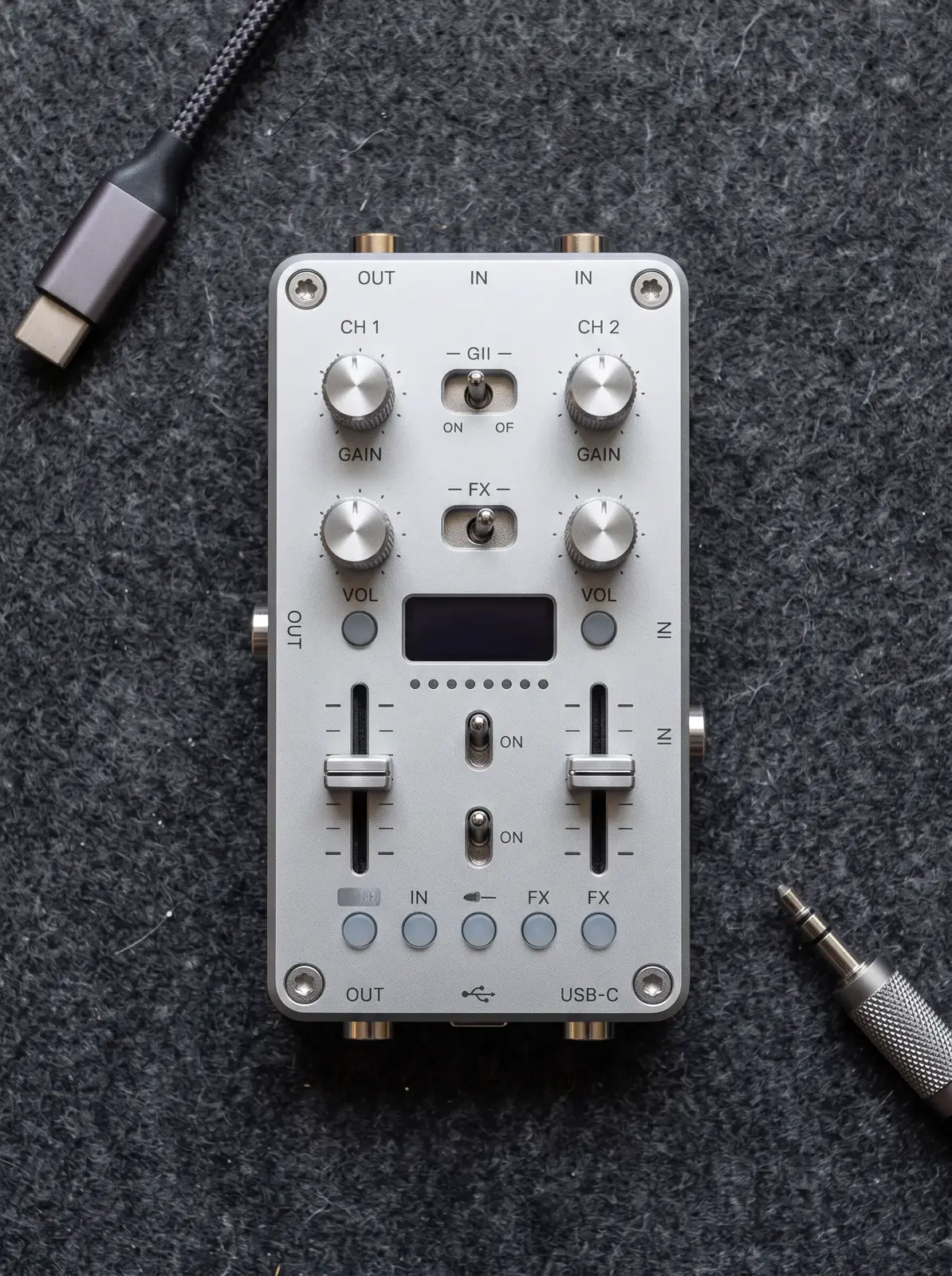
Photography needs the physical product and a shoot per variant. Rendering comes from CAD and arrives before the units. A configurator lets buyers rotate and combine on the product page. All three can come from the same model.
| Criterion | Photography | Rendering from CAD | 3D configurator |
|---|---|---|---|
| Needs the product | Yes, final units | No, CAD is enough | No, CAD is enough |
| A new colour | Another shoot | Another material and render | Another material on the web |
| Interaction | Still photos | Stills or video | Rotate, open and combine |
| Where it is used | Product page and campaign | Launch, product page and campaign | Product page and retail |
From CAD to product page in four steps
We start from the variants you sell, not from geometry. With the list closed, the model is prepared, materials are tuned and it is published where the customer buys.
- 01
We close the variants
Colours, finishes, capacities, bundles and accessories that go on the web and into the launch.
- 02
We prepare the model
From engineering CAD to a light mesh with detail where people look: ports, buttons and textures. Target: under 5 MB.
- 03
We tune the finishes
Plastic, anodised metal, glass and fabric with their colour reference. Where real time falls short, images.
- 04
We publish and integrate
A viewer or configurator on your product page, connected to store or ERP, plus the launch imagery.
Frequently asked questions
Can we have images before the product is manufactured?
Yes. We start from engineering CAD and produce cut-outs, campaign scenes and colour variants while the factory prepares production.
What can be configured?
Whatever you sell as a variant: colour, finish, capacity, bundles and accessories. The selection goes to the cart or the ERP with its reference.
Do metal, glass and screens look right?
Anodised metal and plastic work well in real time. Glass and complex reflections are the limit of WebGL: there we combine high-quality images with the viewer.
Does it work on mobile and in augmented reality?
Yes. The target is 60 fps on a mid-range phone and under 5 MB per product, and the same model can open in augmented reality on iOS and Android.
Does it work for retail and marketplaces?
Yes. The same model produces images in the formats each channel asks for, and 3D models for the stores that accept them.